
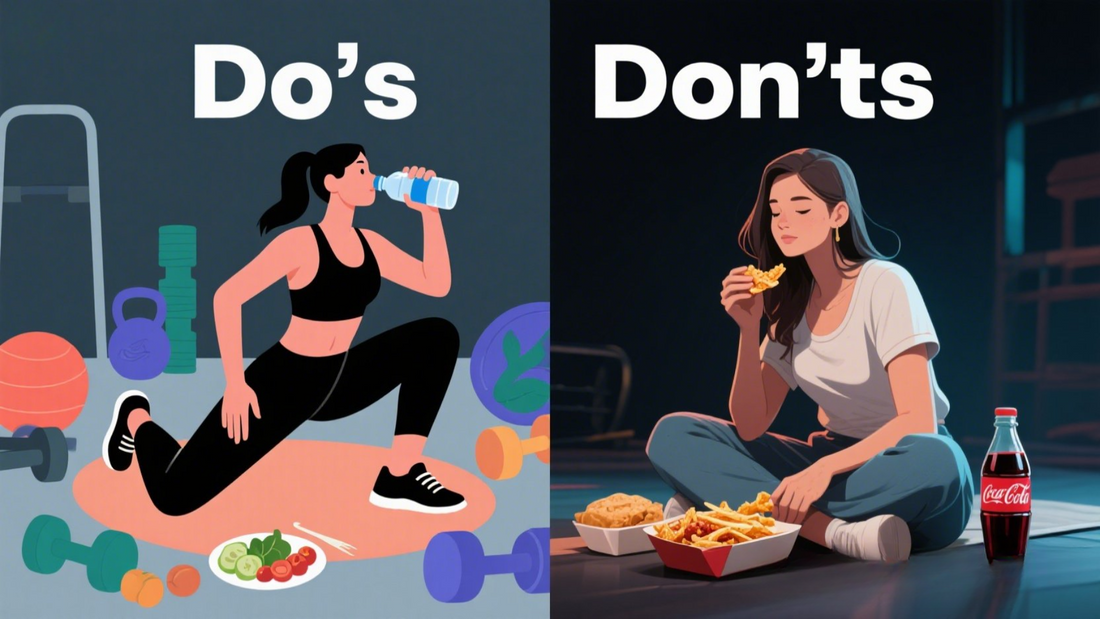
Period Do's and Don'ts: Natural Period Pain Relief and Menstrual Wellness Tips That Actually Work
What to Eat During Your Period for Natural Energy and Cramp Relief
Food is one of the most powerful tools you have for managing menstrual symptoms naturally. The right nutrients support iron levels lost during bleeding, help relax cramping muscles, reduce inflammation, and stabilize the blood sugar swings that drive mood changes and cravings.
According to Harvard T.H. Chan School of Public Health, these three nutrient categories matter most during menstruation:
Iron-Rich Foods
Menstruation causes blood loss, and with it, iron. Low iron contributes to that heavy, exhausted feeling many women experience during their period. Prioritize beans, spinach, pumpkin seeds, lentils, and lean proteins to support healthy hemoglobin levels and keep energy more stable.
Magnesium-Rich Foods
Magnesium is one of the most researched natural remedies for menstrual cramps. It helps relax smooth muscle tissue, reduces prostaglandin activity, and supports the nervous system during the high-demand luteal and menstrual phases. Dark chocolate, almonds, cashews, leafy greens, and avocado are all excellent sources.
Omega-3 Fatty Acids
Omega-3s help reduce the inflammation that amplifies period pain. Salmon, chia seeds, walnuts, and ground flaxseeds are practical everyday options that can meaningfully lower cramp intensity over time when eaten consistently throughout the month.
Hydrating Foods
Water-rich foods like watermelon, cucumber, celery, and berries help prevent the dehydration that worsens headaches and bloating during your period. Staying hydrated is one of the simplest and most overlooked forms of natural cramp relief.
Skipping meals during your period is a common mistake. It worsens fatigue and mood swings significantly. Small, frequent meals keep blood sugar steady and energy more consistent throughout the day.
Read More: How Hormones Affect Mood Before Your Period.
Foods to Avoid During Your Period to Reduce Bloating, Cramps, and Mood Swings
Just as the right foods support your cycle, certain foods actively make symptoms worse by increasing inflammation, disrupting blood sugar, or worsening water retention. Mayo Clinic and clinical nutritionists consistently highlight these as the main dietary triggers to limit during menstruation.
- Leafy greens and iron-rich foods
- Magnesium sources: dark chocolate, nuts, seeds
- Omega-3 rich foods: salmon, flaxseed, walnuts
- Hydrating fruits and vegetables
- Herbal teas: ginger, chamomile, peppermint
- Whole grains for sustained energy
- Processed, high-sodium foods (worsen bloating)
- Excess caffeine (constricts blood vessels, increases cramps)
- Refined sugar (spikes blood sugar, worsens irritability)
- High amounts of red meat (increases inflammatory arachidonic acid)
- Alcohol (worsens inflammation and disrupts sleep)
- Fried or fast foods (drive systemic inflammation)
Bloating during your period is largely driven by hormonal water retention, but excess sodium and sugar make it significantly worse. Cutting back on both in the week before your period can make a noticeable difference in how you feel by the time menstruation begins.

How to Relieve Period Cramps Naturally Without Relying on Medication
Menstrual cramps affect up to 84% of women who menstruate, according to the Journal of Pain Research. While over-the-counter medication has its place, many women are now building a natural cramp relief toolkit that supports the body without the side effects of frequent NSAID use.
Research supports several effective, non-pill approaches:
Heat Therapy
Cochrane reviews have found that heat application can be as effective as ibuprofen for mild to moderate menstrual cramps. A heating pad, hot water bottle, or warm bath applied to the lower abdomen helps relax uterine muscle and improve blood flow. This is one of the most accessible and well-supported natural period relief options available.
Light Movement and Yoga
Gentle exercise increases endorphin release, improves circulation, and reduces the muscle tension that amplifies cramping. Restorative yoga poses like child's pose, supine twist, and reclined butterfly are particularly helpful during your period. Even a 20-minute walk can meaningfully reduce cramp intensity.
Electrolyte Hydration
Staying hydrated with electrolyte-rich drinks (rather than plain water alone) supports muscle function and reduces cramping. This is especially important during heavier flow days when fluid loss is higher. Avoid sugary sports drinks, which can worsen inflammation. Low-sugar or sugar-free electrolyte options are a better fit for menstrual wellness.
Herbal Support
Ginger and chamomile teas have well-documented anti-inflammatory and antispasmodic properties that can help ease both cramps and nausea during menstruation. Peppermint tea is another gentle option for digestive comfort and bloating relief.
For recipe ideas, visit the PumPums Period Relief Recipes page for a Cramp-Calming Ginger Peppermint Tea that's easy to make and naturally cycle-friendly.
Read More: Natural vs. Conventional Period Pain Relief: A 60-Day Study.
Should You Exercise During Your Period? The Best Workouts for Cramp Relief
Yes, movement during menstruation is generally beneficial, and the research backs it up. Harvard Health confirms that exercise boosts endorphin levels, which act as the body's natural pain relievers and mood stabilizers.
The key is listening to your body and adjusting intensity based on how you feel each day.
- Walking (even 20 minutes helps)
- Gentle yoga and stretching
- Swimming or light water movement
- Pilates and low-impact strength work
- Light cycling
- High-intensity training if you're dizzy or fatigued
- Heavy lifting during very heavy flow days
- Overexertion when experiencing nausea
- Skipping rest entirely (rest is also productive)
Sports medicine research also shows that many athletes adjust training intensity based on their cycle phase, recognizing that what the body needs shifts throughout the month. This is the foundation of cycle syncing, a practice worth exploring if you want to work with your hormones rather than against them.
Read More: How to Practice Cycle Syncing for Better Energy Balance.

Why Sleep Matters More During Your Period (and How to Get More of It)
Hormonal fluctuations during menstruation directly affect sleep quality. The National Sleep Foundation reports that women are twice as likely to experience insomnia during this phase of their cycle compared to other times of the month. Poor sleep worsens pain perception, amplifies cravings, and deepens mood swings.
These habits support better sleep during your period:
- Aim for 7 to 9 hours per night, and protect that window even when you feel like pushing through
- Keep your bedroom cool and dark, since progesterone fluctuations can raise body temperature
- Have a magnesium-rich snack before bed (almonds, pumpkin seeds, or dark chocolate) to support muscle relaxation and deeper sleep
- Avoid screens for at least 30 minutes before sleep to support natural melatonin production
- Reduce caffeine after noon, since it stays in your system longer than most people realize
Sleep hygiene throughout the entire month, not just during menstruation, is one of the most impactful long-term habits for hormone balance support. Consistent sleep patterns help regulate cortisol, which in turn supports more stable estrogen and progesterone levels.
Why Tracking Your Cycle Is One of the Best Things You Can Do for Your Hormonal Health
Cycle tracking is one of the most underused tools in women's hormone health. The CDC recommends recording cycle length, flow volume, and related symptoms because patterns over time reveal information that a single snapshot never could.
Regular tracking helps you:
- Identify irregularities that may point to conditions like PCOS, thyroid dysfunction, or endometriosis
- Understand your personal symptom patterns so you can prepare and support your body in advance
- Adjust your diet, exercise, and supplement routine to align with each phase of your cycle
- Have more informed, productive conversations with your healthcare provider
- Measure whether lifestyle changes or new supplements are actually improving your symptoms over time
Read More: What Causes Irregular Periods and When You Should Get Help.
Menstrual Hygiene Best Practices to Stay Comfortable and Prevent Infection
Good hygiene during your period protects both comfort and long-term reproductive health. Mayo Clinic recommends the following practices:
- Change pads or tampons every 4 to 8 hours to reduce bacterial buildup and irritation
- Rinse menstrual cups every 8 to 12 hours and sterilize between cycles
- Wash the external vulva area with mild, unscented soap and water. Avoid douching, which disrupts the natural vaginal microbiome
- Wear breathable cotton underwear to reduce moisture and irritation
- Avoid heavily fragranced period products, since synthetic fragrances can irritate sensitive tissue and disrupt bacterial balance
Gynecologists consistently caution that "feminine hygiene" products marketed with heavy scents or "freshening" claims are unnecessary and can cause more harm than good. The vagina is self-cleaning; what it needs is gentle external care and breathable clothing.

Habits to Avoid During Your Period That Worsen Symptoms Long-Term
Some of the most common period habits actually make symptoms worse over time. Being aware of these helps you make better choices, especially on the days when you're already not feeling your best.
- Eating regularly to maintain blood sugar
- Staying hydrated with water and electrolytes
- Moving gently even on difficult days
- Prioritizing sleep and rest
- Seeking care for severe or worsening pain
- Skipping meals (worsens fatigue and mood swings)
- Drinking alcohol (increases inflammation and disrupts hormones)
- Overusing painkillers (can irritate the stomach and kidneys over time)
- Ignoring severe pain (pain that disrupts daily life is not normal and warrants medical attention)
- Isolating or avoiding self-care entirely
It's worth repeating: menstrual pain that regularly interferes with your daily life is not something to push through and normalize. Conditions like endometriosis, fibroids, and adenomyosis can cause severe cramping that looks like "bad periods" on the surface. A healthcare provider can help determine what's driving the pain and what options are available.
For a helpful overview of when period symptoms cross a line, read PMS vs. PMDD: What's the Real Difference?
Building a Hormone-Friendly Wellness Routine That Works All Month Long
The most effective approach to menstrual wellness is proactive, not reactive. Waiting until cramps arrive to start caring for your body means you're always playing catch-up. Building a consistent hormone-friendly wellness routine throughout all four phases of your cycle produces significantly better results over time.
Daily cycle support looks like this in practice:
- Eating a nutrient-dense, anti-inflammatory diet throughout the month (not just during your period)
- Supporting magnesium levels consistently, especially in the luteal phase
- Prioritizing sleep and stress management as non-negotiables, not luxuries
- Moving your body regularly in ways that align with your energy levels each week
- Using targeted daily supplements for menstrual wellness to fill nutritional gaps that food alone doesn't always cover
For women looking for clean, convenient support, PumPums Daily Cycle Essentials is designed to work with your body across all 28 days. The formula targets menstrual health, hormone balance, cramp relief, and bloating support in one daily supplement. It's sugar-free, vegan, non-GMO, and ships across the United States.
Ready to support your cycle every day of the month, not just the painful ones?Explore PumPums Daily Cycle Essentials →


