
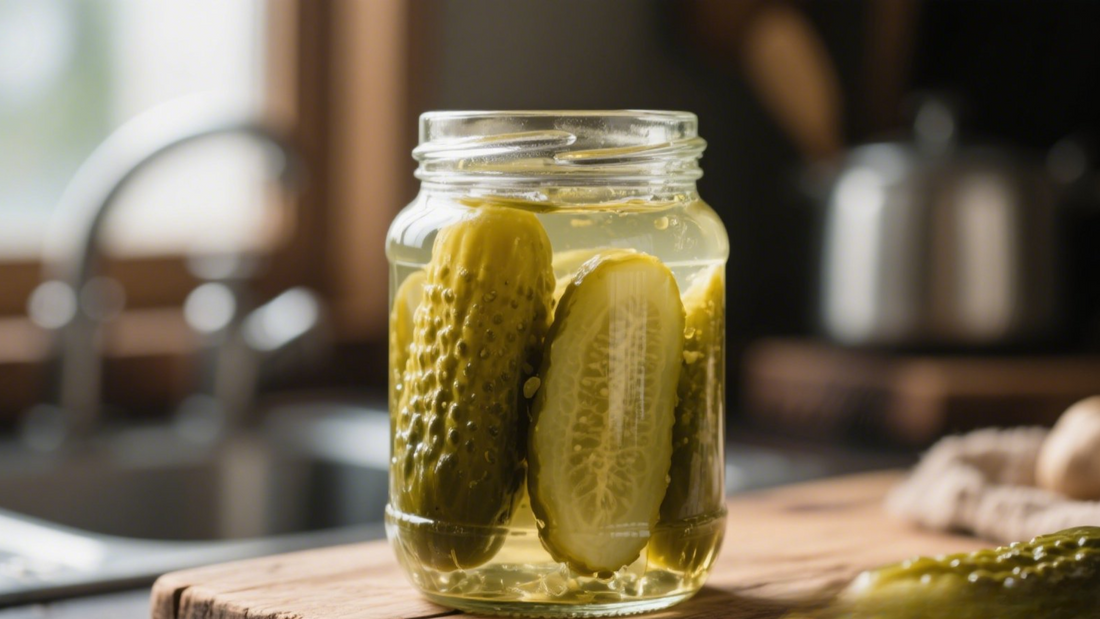
What Does Research Say About Pickle Juice and Muscle Cramps?
What Causes Menstrual Cramps?
Menstrual cramps, clinically known as primary dysmenorrhea, occur when the uterus contracts to shed its lining. The driving force? Prostaglandins — hormone-like compounds released by the uterine lining. Higher prostaglandin levels correlate with more intense cramping, according to research published in the Journal of Pain Research (2012).
What many people don't realize is that electrolyte imbalance can worsen these contractions. When sodium, potassium, and magnesium levels drop — through sweat, urination, or dietary deficits — muscle tissues, including the uterus, become more prone to sustained, painful spasms. This is where pickle juice enters the picture.
Why Pickle Juice? The Science and Secrets Behind the Brine
Why Pickle Juice? The Electrolyte and Nerve Reflex Connection
Pickle juice works through two distinct mechanisms, neither of which is fully explained by simple hydration:
1. Electrolyte Replenishment
A single 2–3 oz serving of pickle juice contains measurable levels of sodium, potassium, and trace magnesium — all critical minerals for muscle function. The National Institutes of Health (NIH) confirms that magnesium deficiency is directly linked to increased muscle cramping and uterine contractility.
2. The Acetic Acid Nerve Reflex
This is the more surprising mechanism. Researchers at Brigham Young University, in a landmark 2010 study published in Medicine & Science in Sports & Exercise, found that pickle juice relieved electrically-induced muscle cramps 45% faster than water and 37% faster than no treatment at all — and it worked before the electrolytes could even be absorbed into the bloodstream.
The explanation? Acetic acid (vinegar) in pickle juice appears to trigger an oropharyngeal reflex stimulating nerve receptors in the mouth and throat that send rapid inhibitory signals to overactive motor neurons. This neural "reset" can ease muscle spasms within 60–85 seconds, according to the BYU research team.
Since menstrual cramps are ultimately involuntary muscle contractions of the uterus, this same mechanism is theorized to apply — though uterus-specific clinical trials are still needed.

What Does the Research Say? (Honest Assessment)
It's important to be clear: no peer-reviewed clinical trials have tested pickle juice specifically for menstrual cramps. Most evidence is extrapolated from sports medicine research on skeletal muscle cramps.
That said, the existing evidence is promising:
- Miller et al. (2010) — Medicine & Science in Sports & Exercise: Pickle juice stopped cramps significantly faster than water, with effects beginning before electrolyte absorption occurred, pointing to a neurological mechanism.
- Schwellnus et al. (2008) — British Journal of Sports Medicine: Exercise-associated muscle cramping is linked to altered neuromuscular control, supporting the nerve-reflex theory.
- NIH Office of Dietary Supplements: Confirms magnesium's role in reducing menstrual pain severity, with studies supporting supplementation as an evidence-based intervention.
The science supports pickle juice for muscle cramp relief broadly. Its application to menstrual cramps is biologically plausible — and low-risk enough to try.
How to Use Pickle Juice for Menstrual Cramp Relief
Dosage: Start with 1–2 tablespoons (approximately 1 oz). You don't need a full glass — the nerve reflex theory suggests a small amount in the mouth and throat is sufficient to trigger the effect.
Timing: Take it at the first sign of cramping or when you feel early warning symptoms (bloating, lower back tension). The sooner you take it, the faster the potential relief.
What to choose: Opt for naturally fermented pickle juice made with vinegar (acetic acid), without artificial preservatives or added sugars. Look for labels listing cucumbers, water, vinegar, salt, and spices as primary ingredients. Naturally fermented varieties also contain live probiotics, which support gut health — relevant because gut inflammation can amplify menstrual discomfort.
How to drink it: Straight is most effective for triggering the nerve reflex. If the taste is too sharp, dilute slightly with water — though this may reduce efficacy of the neural mechanism.
What Are the Benefits Beyond Cramp Relief?
Beyond cramp relief, pickle juice offers secondary benefits that are particularly relevant during menstruation:
- Reduced bloating: Sodium in pickle juice helps regulate fluid retention, and the acetic acid may support digestive motility.
- Probiotic support: Fermented pickle juice contains Lactobacillus strains that support gut microbiome balance. Research from Frontiers in Endocrinology (2019) links gut microbiome health to estrogen metabolism — directly relevant to hormonal balance during your cycle.
- Energy support: Electrolyte replenishment can counteract the fatigue commonly reported during menstruation.
Safety and Who Should Be Cautious
Pickle juice is generally safe for healthy adults in small amounts, but there are important exceptions:
| Condition | Recommendation |
|---|---|
| High blood pressure | Consult your doctor — pickle juice is high in sodium |
| Kidney disease | Avoid or limit — impaired sodium/potassium processing |
| GERD or acid reflux | May worsen symptoms; start with very small amounts |
| Pregnancy | Check with your OB before use |
If you experience stomach cramps, nausea, or worsening symptoms, stop use immediately. And if your menstrual cramps are severe, worsening over time, or accompanied by heavy bleeding, see a healthcare provider — these can be signs of endometriosis, fibroids, or adenomyosis, which require medical diagnosis and treatment.

Complementary Natural Remedies to Use Alongside Pickle Juice
For comprehensive, drug-free period pain management, ACOG and Mayo Clinic both support a multi-modal approach. Pair pickle juice with:
- Heat therapy: A heating pad on the lower abdomen reduces prostaglandin-driven pain by increasing blood flow (supported by Cochrane Review, 2014)
- Magnesium supplementation: 250–360 mg/day has clinical evidence behind it for dysmenorrhea relief (BMC Women's Health, 2017)
- Anti-inflammatory diet: Omega-3-rich foods (fatty fish, flaxseed) reduce prostaglandin production
- Gentle movement: Yoga and low-intensity exercise increase endorphins and reduce cramping severity, per Journal of Alternative and Complementary Medicine
- Ginger or chamomile tea: Both have peer-reviewed support for reducing menstrual pain and inflammation
Pickle juice isn't a cure for menstrual pain — but the science makes a compelling case for it as a fast-acting, low-risk complementary remedy. Its ability to trigger a neurological reflex that relaxes overactive muscles, combined with electrolyte replenishment and probiotic benefits, makes it a uniquely multifaceted tool for period care.
For those looking to build on this foundation with targeted formulations, products like PumPums Menstrual Relief Gummies incorporate a proprietary Pickle+ Blend designed specifically to support natural cycle comfort.
As always, treat your body with data-informed care — and when in doubt, talk to your doctor.


