
Best Remedies and Supplements for Menstrual Cramps
What Causes Menstrual Cramps?
Menstrual cramps — clinically called dysmenorrhea — are triggered by prostaglandins, hormone-like compounds that signal the uterus to contract and shed its lining. The higher the prostaglandin levels, the more intense the pain. According to Harvard Health Publishing, common symptoms include lower abdominal cramping, lower back or thigh pain, nausea, diarrhea, fatigue, and headaches — all stemming from the same inflammatory cascade.
There are two types: primary dysmenorrhea, which is common period pain without an underlying condition, and secondary dysmenorrhea, which is caused by conditions like endometriosis or uterine fibroids. Understanding which applies to you shapes how you approach treatment.

Heat Therapy: Fast, Proven, and Underrated
Heat therapy remains one of the most evidence-supported natural remedies available. A study published in Evidence-Based Nursing (2001) found that continuous low-level topical heat was as effective as ibuprofen for relieving menstrual cramps. Heat works by increasing blood flow to the pelvic region, relaxing uterine muscles, and reducing the spasmodic contractions that cause pain.
A reusable heating pad, heat patch, or warm compress applied to the lower abdomen for 20–30 minutes provides meaningful relief — especially on the first one to two days when cramping peaks.
Movement and Exercise: Nature's Painkiller
It may seem counterintuitive to move when you're in pain, but regular physical activity is one of the most well-documented natural remedies for dysmenorrhea. A 2020 review published in BMC Women's Health found that aerobic exercise — including walking, cycling, and yoga — significantly reduced both the duration and severity of menstrual cramps. Exercise stimulates the release of endorphins, the body's natural analgesics, while simultaneously reducing systemic inflammation.
Even 15–20 minutes of light movement per day during your cycle can measurably reduce cramping and improve mood.
Anti-Inflammatory Nutrition
What you eat in the days before and during your period directly affects prostaglandin levels and inflammation. Certain foods offer genuine, evidence-backed relief:
- Ginger is one of the most researched natural remedies for period pain. A 2015 randomized controlled trial published in Pain Medicine found that ginger (750–2,000 mg/day) was as effective as ibuprofen and mefenamic acid in reducing the severity of primary dysmenorrhea. It works by inhibiting prostaglandin and leukotriene synthesis.
- Magnesium targets the root cause of cramping. Research published in Magnesium Research (2017) concluded that magnesium supplementation is effective in the prevention of dysmenorrhea and premenstrual syndrome. A daily intake of 250 mg has been shown to reduce menstrual pain by relaxing uterine smooth muscle and reducing prostaglandin overproduction. Foods high in magnesium include spinach, pumpkin seeds, almonds, and dark chocolate.
- Turmeric (curcumin) provides anti-inflammatory support by suppressing the NF-κB pathway — the same inflammatory signaling targeted by NSAIDs. It also helps reduce bloating and pelvic discomfort.
- Omega-3 fatty acids, found in fatty fish, walnuts, and flaxseed, have been shown to decrease menstrual pain by reducing prostaglandin production over time.
A study in the Journal of Obstetrics and Gynaecology Research found that women on a low-fat vegetarian diet reported significantly less menstrual pain — further confirming that diet shapes the inflammatory environment driving cramps.
Medications for Menstrual Cramp Relief
For moderate to severe cramping, over-the-counter medications remain highly effective when used appropriately:
NSAIDs such as ibuprofen (Advil, Motrin) and naproxen (Aleve) are considered first-line medical treatment for dysmenorrhea. They work by blocking prostaglandin synthesis, directly addressing the hormonal cause of cramping rather than simply masking pain. They are most effective when taken at the first sign of cramping rather than after pain has peaked.
Acetaminophen (Tylenol) offers some relief but is less effective for menstrual cramps because it does not block prostaglandins.
Hormonal contraceptives — including the pill, patch, or IUD — reduce or eliminate cramps by thinning the uterine lining and decreasing prostaglandin production. They represent a long-term management strategy rather than acute relief.
Do Menstrual Relief Supplements Actually Work?
Yes — when formulated with the right ingredients, plant-based period supplements can meaningfully reduce cramping, bloating, mood disruption, and fatigue. The best options use clinically studied compounds at effective dosages rather than underdosed ingredient lists designed to look good on a label.
Key ingredients to look for:
- Chasteberry (Vitex agnus-castus): Shown in clinical studies to regulate hormonal imbalances and reduce PMS symptoms including breast tenderness, irritability, and cramps
- Calcium and Vitamin B6: Support neuromuscular function and mood stability; deficiency in both is associated with worsened PMS
- Magnesium glycinate: The most bioavailable form of magnesium for menstrual relief, muscle relaxation, and mood regulation
- Ginger and turmeric extracts: Anti-inflammatory compounds that target prostaglandin activity at the source
- Zinc: Supports hormonal balance and has been shown to reduce menstrual pain severity
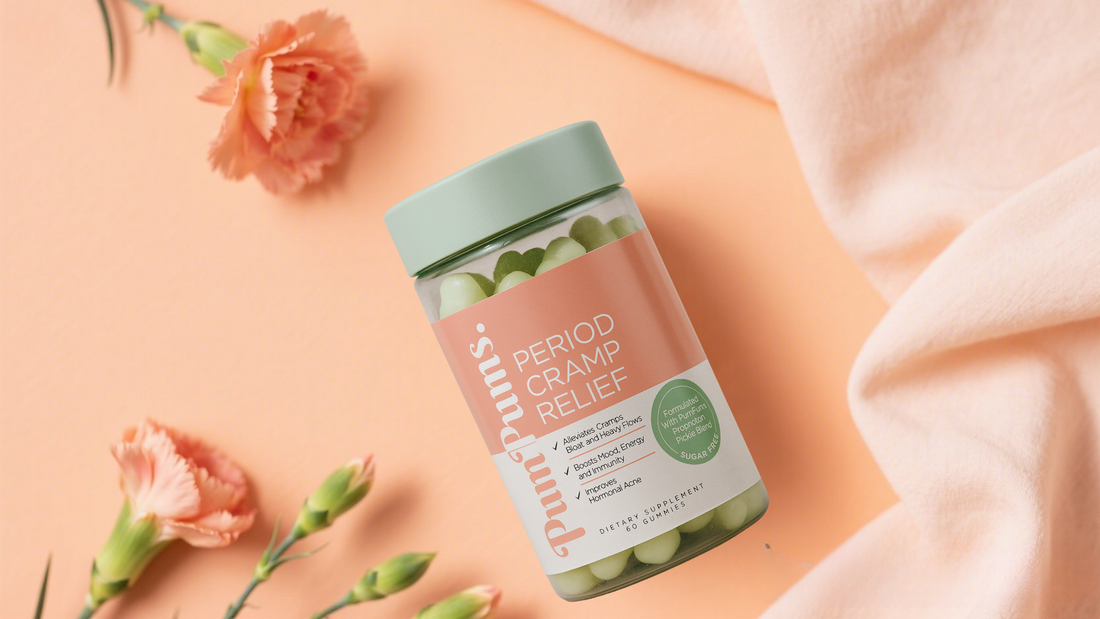
PumPums Period Cramp Relief is a standout option in this category. Formulated with clean, plant-based ingredients and free from artificial additives, sugar, caffeine, and stimulants, PumPums gummies are designed for daily use to provide consistent cycle-wide support. Rather than simply dulling pain, the formula targets the underlying hormonal and inflammatory drivers of cramps, bloating, and PMS fatigue. For anyone seeking a natural, ibuprofen-free approach to period management, PumPums offers targeted relief that fits easily into a daily routine.

When Should I Talk to a Doctor About Menstrual Pain?
The Most Effective Overall Strategy for Menstrual Relief
The women who find lasting relief are typically those combining multiple approaches rather than relying on any single remedy. An evidence-based routine looks like this:
- Apply heat during the first one to two days of your cycle
- Stay well-hydrated and eat anti-inflammatory foods — ginger, leafy greens, omega-3s
- Take a clean, plant-based supplement like PumPums Period Cramp Relief consistently
- Move your body daily, even lightly
- Reduce sugar, alcohol, and processed foods around your period
- Use NSAIDs at cramp onset when needed, rather than waiting for pain to peak
Period pain does not have to be a monthly disruption. With the right combination of nutrition, movement, targeted supplementation, and when necessary, medication, most people can significantly reduce the impact cramps have on their daily lives. The key is consistency — building cycle care i


