
Share
Common Period Symptoms That Worsen During Winter Months
Cold months can quietly challenge menstrual health. Many people experience stronger cramps, bloating, fatigue, or mood shifts when temperatures drop. These changes are not just seasonal discomfort — cold weather can influence circulation, muscle tension, inflammation, and hormone balance, all of which play a role in cycle health.
Why Cold Weather Can Impact Menstrual Cycle Health
When the body is exposed to colder temperatures, blood vessels naturally constrict to preserve core warmth. While this is a protective response, it can reduce blood flow to the pelvic area and increase uterine muscle tension.
Medical experts, including those cited by the Mayo Clinic, explain that menstrual cramps are largely driven by prostaglandins — compounds that trigger uterine contractions. Reduced circulation and increased muscle tightness can amplify prostaglandin activity, leading to more intense cramps during cold months.
Common Period Symptoms That Worsen During Winter Months
During colder seasons, people often report:
- Stronger or longer-lasting menstrual cramps
- Increased bloating and water retention
- Fatigue and lower energy levels
- Heightened stress or mood changes
Shorter daylight hours, less movement, and changes in diet can all compound these symptoms, making winter cycles feel more difficult to manage.
How Temperature Affects Blood Flow and Menstrual Cramps
Cold exposure causes vasoconstriction — the narrowing of blood vessels — which may reduce oxygen delivery to uterine muscles. This can increase muscle spasms and pain sensitivity.
Guidance from the Cleveland Clinic notes that muscle relaxation and adequate blood flow are key factors in reducing menstrual pain, making warmth and circulation especially important during colder weather.
Best Ways to Relieve Period Cramps in Cold Weather
A multi-layered approach works best for winter cycle support. Rather than relying on a single solution, combining warmth, movement, nutrition, and targeted relief provides more consistent results.
These methods are most effective when used proactively — starting before cramps peak.
Using Heat Therapy to Support Cycle Health in Winter
Heat therapy is one of the most widely recommended non-medicated tools for period pain relief. Applying heat to the lower abdomen helps relax uterine muscles and improve blood flow.
Healthcare guidance from the NHS recognizes heat as a first-line comfort strategy for menstrual cramps.
Practical winter tips:
Use a heating pad daily during the luteal phase
Take warm baths or showers to support full-body circulation
Keep your core and lower abdomen warm with layered clothing
Winter Nutrition Tips for Hormone Balance and Period Pain Relief
Cold months often shift eating habits toward heavier, more processed foods, which may increase inflammation. Supporting hormone balance through nutrition is especially important during winter.
Focus on:
- Omega-3 fatty acids to reduce inflammatory responses
- Magnesium-rich foods to support muscle relaxation
- Adequate vitamin D intake, especially with reduced sun exposure
- Warm, anti-inflammatory drinks such as ginger or turmeric tea
Nutritional research summarized by the Johns Hopkins Medicine highlights the role of these nutrients in muscle function and menstrual comfort.
Anti-Inflammatory Foods That Help Reduce Menstrual Cramps
Incorporating anti-inflammatory foods into daily meals can support cycle health year-round, but they are particularly beneficial during colder months.
Helpful options include:
- Fatty fish and flaxseed
- Leafy greens and cruciferous vegetables
- Nuts, seeds, and legumes
- Spices like ginger and cinnamon
Warm meals also help maintain body temperature and circulation, which can ease cramping.
Gentle Winter Exercise to Improve Circulation and Cycle Comfort
Reduced movement during cold months can worsen stiffness and cramps. Gentle, consistent exercise supports blood flow and releases endorphins — the body’s natural pain relievers.
Winter-friendly movement ideas:
- Light yoga or stretching
- Pilates or low-impact strength training
- Walking, indoors or outdoors with proper layering
Even short daily sessions can noticeably improve cycle comfort.
Natural Ways to Support Menstrual Health During Cold Seasons
Lifestyle strategies are powerful, but many people benefit from additional, targeted support during winter cycles.
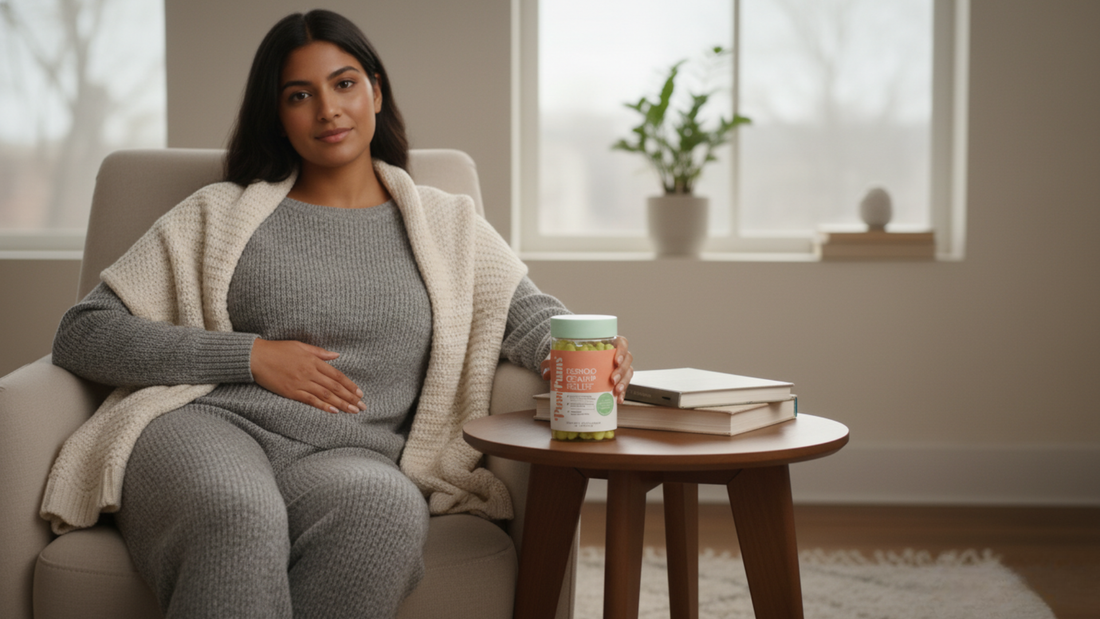
PumPums Period Cramp Relief is a plant-based gummy designed to help support menstrual comfort and reduce bloating. It’s often used alongside heat therapy, gentle movement, and hydration as part of a holistic winter cycle-care routine.
PumPums offers a convenient, non-medicated option for those looking to complement lifestyle-based relief rather than rely solely on painkillers.
How PumPums Period Cramp Relief Fits Into a Winter Cycle Care Routine
For best results, PumPums™ can be integrated into a broader routine:
- Use heat to relax muscles
- Stay hydrated with warm fluids
- Maintain gentle daily movement
- Take PumPums as directed for added support
This layered approach helps address cramps from multiple angles — circulation, muscle tension, and comfort.
Managing Stress, Sleep, and Hormones During Colder Months
Shorter days and colder weather can disrupt sleep patterns and increase stress, both of which influence hormone regulation.
The Sleep Foundation emphasizes that sleep quality directly affects hormonal balance, including reproductive hormones.
Support your cycle by:
- Maintaining consistent sleep schedules
- Reducing evening screen exposure
- Practicing relaxation techniques such as deep breathing
When Winter Period Pain May Signal an Underlying Condition
While colder weather can intensify normal period symptoms, pain that is severe, worsening, or disruptive should not be ignored.
Medical experts from the American College of Obstetricians and Gynecologists advise seeking medical care if menstrual pain interferes with daily life or changes significantly over time.
Long-Term Tips for Maintaining Cycle Health Year-Round
Supporting cycle health during cold months builds habits that benefit you all year:
- Prioritize circulation and warmth
- Eat anti-inflammatory, nutrient-rich foods
- Stay gently active
- Use targeted support when needed
Supporting Cycle Health Through Cold Months
Cold weather doesn’t cause menstrual cycles — but it can intensify period cramps by influencing circulation, muscle tension, inflammation, and hormonal balance. Understanding this connection makes it easier to respond with the right care. By prioritizing warmth, nourishing your body with anti-inflammatory foods, staying gently active, managing stress and sleep, and incorporating targeted support like PumPums Period Cramp Relief, colder months don’t have to mean more discomfort. With a consistent, well-rounded routine, cycle health can remain supported and manageable year-round, no matter the season.


