
Natural Ways to Ease Menstrual Discomfort
Inflammation during your menstrual cycle can feel like an unavoidable nuisance. From bloating and cramping to mood swings and fatigue, many people experience discomfort that interferes with daily life. But what if you could naturally reduce inflammation and support your body throughout your period? Understanding the connection between your menstrual cycle and inflammation can help you adopt effective, science-backed strategies that go beyond over-the-counter pain relievers. In this article, we’ll explore practical ways to naturally reduce inflammation during your cycle, highlighting dietary choices, lifestyle habits, and natural supplements that make a meaningful difference.
Understanding Menstrual Inflammation
Before diving into solutions, it’s essential to understand why inflammation occurs during menstruation. Menstrual inflammation is primarily driven by prostaglandins—hormone-like compounds that regulate muscle contractions in the uterus. High levels of prostaglandins can trigger stronger contractions, leading to painful cramps, bloating, and even headaches.
Other factors that contribute to inflammation include:
- Hormonal fluctuations – Changes in estrogen and progesterone can affect fluid balance, immune response, and pain sensitivity.
- Dietary influences – Processed foods, high-sugar intake, and excessive dairy intake may exacerbate inflammation.
- Lifestyle factors – Stress, lack of sleep, and low physical activity can increase inflammatory markers in the body.
By addressing these underlying causes, you can naturally reduce inflammation and support a smoother, more comfortable cycle.

Anti-Inflammatory Foods to Incorporate During Your Cycle
One of the most effective ways to combat inflammation is through your diet. Anti-inflammatory foods are rich in antioxidants, omega-3 fatty acids, and polyphenols that help your body manage pain and swelling.
Key Foods to Include:
- Fatty Fish Salmon, mackerel, and sardines are high in omega-3 fatty acids, which have been shown to reduce menstrual cramps and systemic inflammation.
- Leafy Greens and Cruciferous Vegetables Spinach, kale, broccoli, and Brussels sprouts provide essential vitamins and minerals that regulate inflammation and support hormone metabolism.
- Berries Blueberries, strawberries, and raspberries are rich in antioxidants that combat oxidative stress associated with menstrual discomfort.
- Nuts and Seeds Almonds, walnuts, chia seeds, and flaxseeds contain healthy fats and magnesium, which can relax uterine muscles and reduce cramping.
- Turmeric and Ginger Both turmeric and ginger have potent anti-inflammatory properties that can help relieve menstrual pain when incorporated into meals or herbal teas.
- Fermented Foods Yogurt, kefir, kimchi, and sauerkraut support gut health, which is closely linked to inflammation and hormone regulation.
By focusing on whole, nutrient-dense foods and limiting refined sugars, processed grains, and trans fats, you give your body a fighting chance against cycle-related inflammation.
Hydration: An Often Overlooked Anti-Inflammatory Tool
Staying hydrated is a simple yet powerful way to manage inflammation during your period. Adequate water intake supports circulation, reduces bloating, and helps flush out inflammatory byproducts from your body.
Tips for Hydration:
- Drink at least 8–10 glasses of water daily.
- Incorporate herbal teas like chamomile or peppermint, which have calming and anti-inflammatory effects.
- Include water-rich fruits and vegetables such as cucumber, watermelon, and celery.
Even mild dehydration can worsen cramps and fatigue, so prioritizing hydration is a small change that yields big results.
Lifestyle Practices That Reduce Inflammation
Diet and hydration are crucial, but lifestyle habits also play a significant role in regulating inflammation.
-
Exercise Regularly
Gentle movement such as walking, yoga, or swimming increases blood flow, reduces prostaglandin levels, and releases endorphins that act as natural pain relievers.
-
Prioritize Sleep
Sleep deprivation elevates inflammatory markers and can intensify menstrual discomfort. Aim for 7–9 hours of quality sleep per night.
-
Manage Stress
High stress levels trigger cortisol release, which can worsen inflammation. Techniques like meditation, deep breathing, or journaling can reduce stress and support a balanced hormonal response.
-
Heat Therapy
Applying a heating pad to the lower abdomen can relax uterine muscles and improve blood circulation, providing immediate relief from cramping and discomfort.

Natural Supplements That Support Menstrual Health
Certain supplements can help reduce inflammation and promote overall hormonal balance. Always consult a healthcare professional before starting any supplement regimen.
- Magnesium – Helps relax muscles and alleviate cramps.
- Omega-3 Supplements – Can reduce prostaglandin production and inflammation.
- Turmeric or Curcumin – Anti-inflammatory compounds that reduce pain and swelling.
- Probiotics – Support gut health, which plays a critical role in regulating inflammation and hormone metabolism.
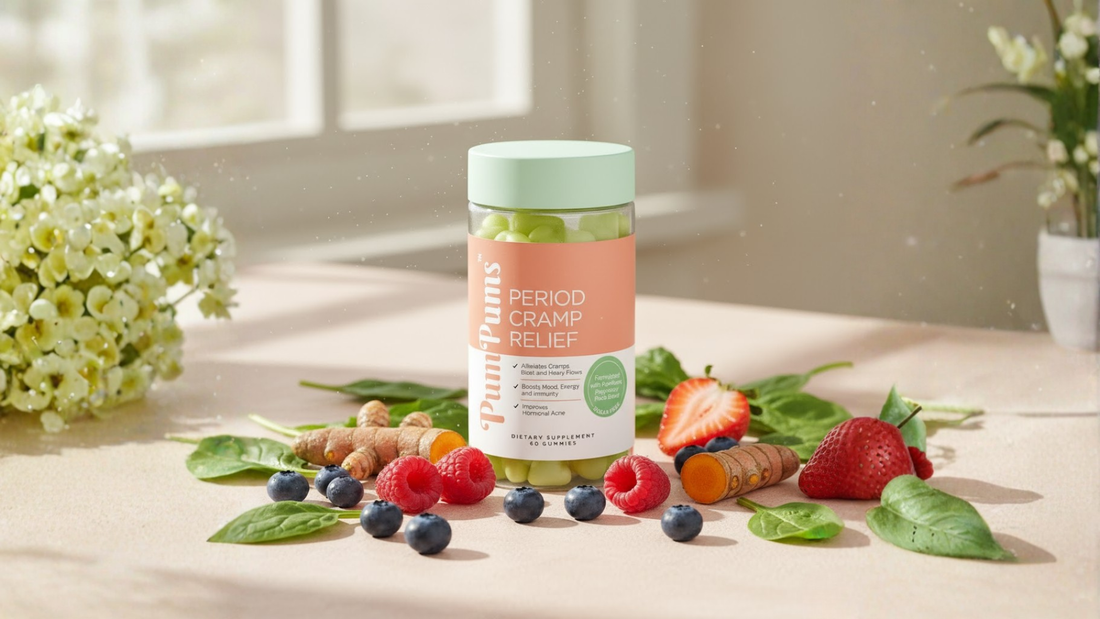
Additionally, products like PumPums Menstrual Relief Gummies combine organic apple cider vinegar, pickled cucumber extract, and other natural ingredients to help manage cramps, bloating, and overall menstrual discomfort in a convenient, sugar-free form.
Practical Daily Routine to Naturally Reduce Inflammation
Here’s a sample daily routine to implement these strategies effectively:
- Morning: Start your day with warm water and lemon, followed by a magnesium-rich breakfast such as oatmeal with chia seeds and berries.
- Midday: Take a brisk 20–30 minute walk or gentle yoga session to boost circulation and reduce stress.
- Afternoon: Snack on anti-inflammatory foods like almonds, walnuts, or an apple with nut butter.
- Evening: Enjoy a calming herbal tea with ginger or turmeric, and use a heating pad if cramping persists.
- Night: Prioritize a consistent sleep schedule and practice relaxation techniques such as deep breathing or meditation.
Mindful Practices to Enhance Effectiveness
Beyond diet and lifestyle, being mindful of your body during your cycle can further reduce inflammation:
- Track Your Cycle: Identify days when cramps and bloating are worse to proactively implement anti-inflammatory strategies.
- Listen to Your Body: Rest when needed, and avoid pushing through pain unnecessarily.
- Incorporate Gentle Stretching: Helps reduce muscle tension and improve circulation.
- Stay Consistent: Anti-inflammatory strategies are most effective when practiced regularly, not just during your period.

Embrace a Cycle-Friendly Lifestyle
Reducing inflammation during your menstrual cycle doesn’t have to rely solely on medication. By combining anti-inflammatory foods, hydration, mindful movement, stress management, and targeted natural supplements, you can support your body and minimize discomfort naturally.
Remember, everybody is unique, so experiment with what works best for you. Consider keeping a journal to track which foods, practices, and supplements bring the most relief. By taking proactive steps, you can transform your period experience from one of discomfort to one of empowerment and wellness.
Take control of your cycle today—start small with dietary changes, add gentle movement, and explore natural supplements like PumPums Menstrual Relief Gummies to see real, lasting results. Your body will thank you.


