
Share
Creating a Personalized Winter Self-Care Plan That Works for Your Lifestyle
As the vibrant colors of autumn fade into the muted grays and whites of winter, our bodies and minds naturally begin to crave a different kind of nourishment. In places like the Pacific Northwest or the Northeastern United States, the drastic drop in sunlight and temperature isn't just a weather change—it’s a biological signal to slow down.
Building a winter self-care routine is about more than just lighting a candle; it’s about seasonal alignment.By intentionally adjusting your habits to combat the "winter blues" (Seasonal Affective Disorder) and physical discomforts, you can transform the coldest months of the year into a season of deep restoration
Prioritize "Hygge" and Environmental Comfort
The Danish concept of hygge (pronounced hoo-gah) revolves around coziness and contentment. Since we spend roughly 90% of our time indoors during winter, your physical environment dictates your mental state.
-
Lighting: Swap harsh overhead LEDs for warm-toned lamps or fairy lights.Consider a sunrise alarm clock to mimic natural light, which helps regulate your circadian rhythm.
-
Textiles: Incorporate weighted blankets or wool throws.These provide "deep pressure stimulation," which can lower cortisol levels and improve sleep quality.
-
Scent: Use essential oils like cedarwood, orange, and cinnamon to create a grounding atmosphere.
Targeted Physical Wellness and Cramp Relief
Winter can make menstrual discomfort feel more pronounced. The cold causes blood vessels to constrict, which can increase cramps and muscle stiffness, making those days even more challenging.
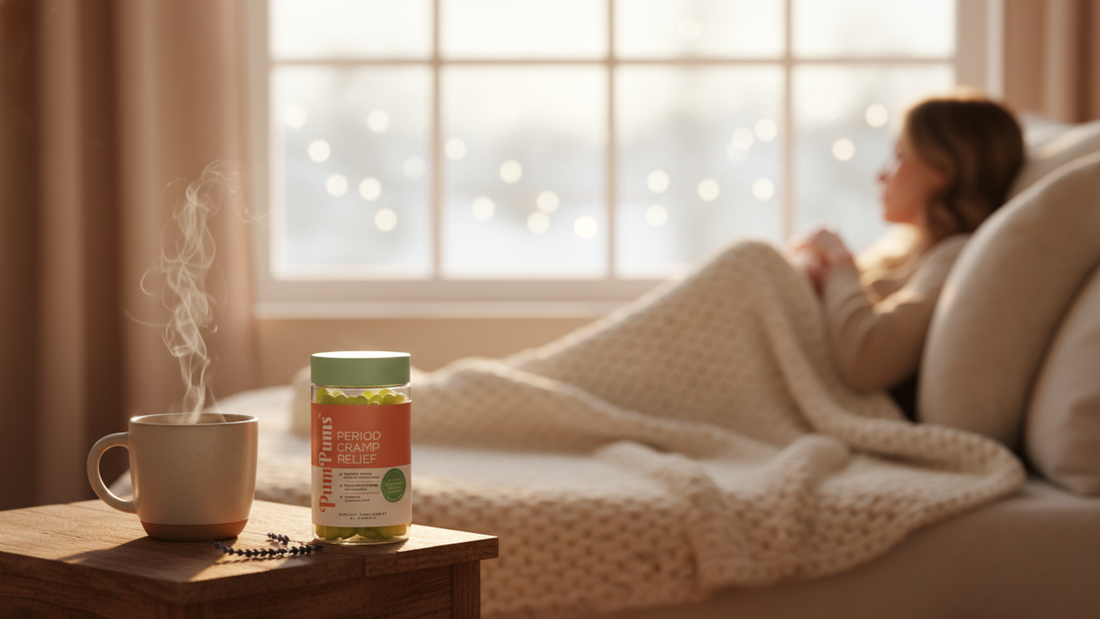
Supporting your body during this time doesn’t always require major lifestyle changes—small, thoughtful steps can make a difference. For example, supplements like PumPums Period Relief Gummies, which contain ingredients that support muscle relaxation and hormonal balance, can be a gentle addition to your self-care routine. Incorporating them alongside rest, warmth, and mindful habits can help ease period discomfort, keeping you more comfortable and active even during the colder months.
Why Winter Makes Cramps Worse
According to health experts, the lack of activity in winter can lead to poorer circulation, making menstrual cramps feel sharper. Pairing your supplement routine with gentle movement—like yin yoga or pelvic tilts—is essential for maintaining blood flow.
The Winter Nutrition Pivot
In the summer, we crave raw, cooling foods. In winter, your digestive system thrives on warmth.
-
Root Vegetables: Carrots, sweet potatoes, and beets are seasonally available and rich in complex carbohydrates that provide steady energy.
-
Healthy Fats: Support your skin and brain health with avocados, walnuts, and fatty fish.
-
Hydration with a Twist: It’s easy to forget to drink water when it’s cold. Switch to herbal teas, bone broths, or warm lemon water to stay hydrated without chilling your core.
Mindful Movement: Moving with the Season
High-intensity interval training (HIIT) is great, but winter is often the time for restorative movement. If you live in a snowy climate like Denver or Chicago, outdoor activity might be limited.
-
Indoor Pilates: Great for core strength and circulation.
-
Nature Walks: On sunny days, getting even 15 minutes of Vitamin D is crucial.() Vitamin D deficiency is linked to mood swings and a weakened immune system. According to the Mayo Clinic, light exposure is one of the primary treatments for seasonal depression.
Skin and Barrier Protection
The "winter itch" is real. Between the biting wind outside and the parching heater inside, your skin’s moisture barrier takes a beating.
|
Step
|
Action
|
Benefit
|
|---|---|---|
|
Cleanse
|
Use creamy, non-foaming cleansers
|
Prevents stripping natural oils
|
|
Humectants
|
Apply Hyaluronic Acid on damp skin
|
Pulls moisture into the skin
|
|
Occlusives
|
Seal with a facial oil or thick cream
|
Prevents transepidermal water loss
|
|
Sunscreen
|
Apply SPF 30+ daily
|
Protects against UV rays reflecting off snow
|
Digital Detox and Mental Boundaries
With shorter days, we often find ourselves scrolling through social media for longer periods. This "doomscrolling" can exacerbate feelings of isolation common in the winter.
- The 8 PM Rule: Turn off screens two hours before bed. The blue light suppresses melatonin, making it harder to fall asleep in a season where sleep should be a priority.
- Journaling: Use the quiet of winter evenings to reflect. Use prompts like, "What is one thing I want to release before spring?" or "How did I care for my body today?"
Social Connection in a Solitary Season
While winter is a time for turning inward, humans are social creatures. Isolation can lead to a decline in mental health.
- Micro-Socializing: A 10-minute phone call to a friend can provide a significant oxytocin boost.
- Community Events: Look for local winter markets or workshops. Engaging with your local community (whether you're in a bustling city or a small town) fosters a sense of belonging.
Consistency Over Perfection
The key to a successful winter self-care routine is adaptability. Some days, self-care will look like a 5-mile hike in the snow; other days, it will look like taking your PumPums Period cramp Relief Gummies, wearing your thickest socks, and resting on the sofa.
Listen to your body’s cues. Winter is not a season to be "conquered" it is a season to be endured with grace, warmth, and intentionality. By focusing on nourishment, targeted physical support, and environmental comfort, you can emerge in the spring feeling renewed rather than depleted.


