
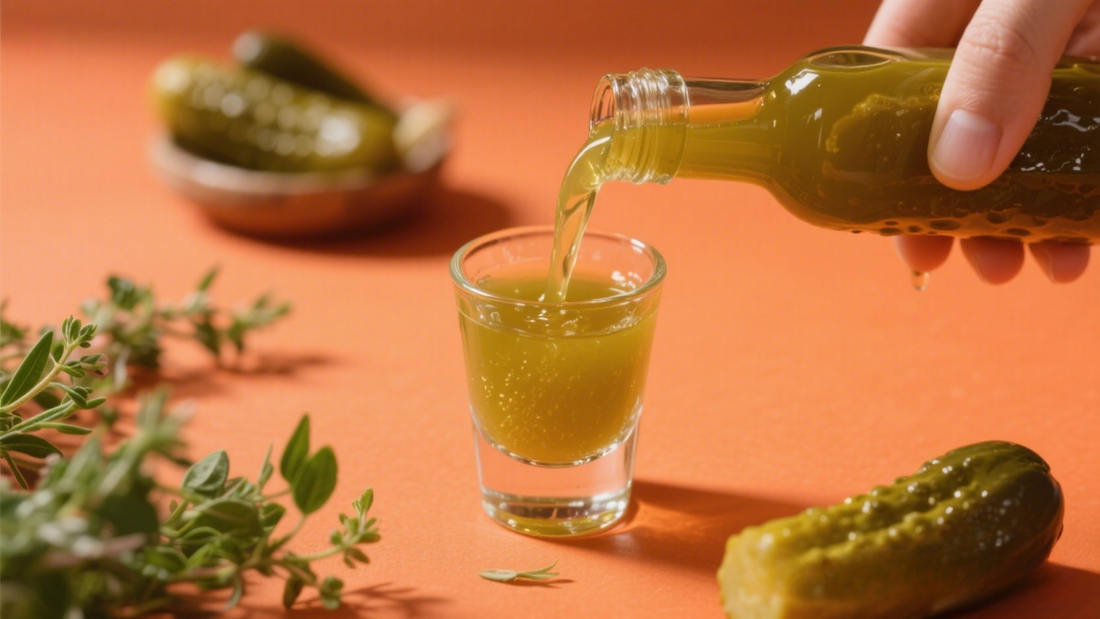
What Pickles Do to Your Body During Your Period
What Is Actually Happening Inside Your Body During Period Cramps
Menstrual cramps — clinically termed dysmenorrhea — occur when the uterus contracts to shed its lining. These contractions are driven by prostaglandins, hormone-like compounds that trigger inflammation and pain. The higher your prostaglandin levels, the more intense the cramping.
According to the American College of Obstetricians and Gynecologists (ACOG), more than 50% of menstruating women experience cramps monthly, and approximately 10% experience pain severe enough to disrupt daily activities. Symptoms typically include pulsating or dull lower abdominal pain, lower back and thigh discomfort, nausea, diarrhea, headaches, and fatigue — all connected to the same prostaglandin-driven inflammatory response.
Understanding this root cause matters because it shapes which remedies actually work at the source versus which ones simply mask the pain temporarily.
Why Your Body Craves Pickles Before and During Your Period
Period cravings for salty, sour foods like pickles are not arbitrary. They reflect real physiological signals. Hormonal fluctuations during the luteal phase and early menstruation affect electrolyte balance, alter taste preferences, and can temporarily increase the body's demand for sodium.
Estrogen and progesterone shifts influence aldosterone — a hormone that regulates sodium and fluid retention. When sodium levels dip, the body signals a craving for salty foods to restore balance. Pickles, with their high sodium content and sharp vinegar flavor, satisfy this craving with particular efficiency.
The sensory experience reinforces the pull. The crunchy texture, bold sourness, and immediate saltiness of a pickle provide sensory stimulation that feels grounding during the mood swings and physical discomfort of PMS. Your body is not being irrational — it is communicating a specific nutritional need.

The Neurological Reflex Pickle Juice Triggers in Your Body
This is where the science becomes genuinely surprising. Most people assume pickle juice works because of its sodium content — that it slowly restores electrolytes through digestion. The actual mechanism is faster and more direct than that.
A landmark 2010 study published in Medicine & Science in Sports & Exercise found that pickle juice inhibited electrically induced muscle cramps significantly faster than water — and did so before the juice could have been absorbed or digested at all. The researchers concluded that the effect was entirely neurological. Acetic acid in the vinegar activates receptors in the mouth and throat that send signals through the nervous system, triggering a reflex that inhibits the alpha motor neurons firing in the cramping muscle.
In practical terms, this reflex can quiet a cramping muscle — including the uterus — within 30 to 90 seconds of consumption. That is not a placebo effect. That is your nervous system responding to a specific chemical signal before a single molecule has entered your bloodstream.
While the study focused on skeletal muscle cramps in athletes, the uterus is smooth muscle governed by the same fundamental neural and muscular pathways. The mechanism is physiologically applicable to dysmenorrhea, making pickle juice one of the fastest-acting natural options available at the onset of menstrual cramping.
What Pickle Juice Actually Contains That Matters for Period Pain
Beyond the neurological reflex, pickle juice contains several compounds with direct relevance to menstrual symptom relief.
Acetic acid is the primary active compound — the vinegar component responsible for the neurological reflex described above. It is also mildly anti-inflammatory and supports metabolic balance.
Sodium supports fluid balance and muscle function. A standard dill pickle spear provides approximately 250–300 mg of sodium — meaningful for restoring electrolyte levels lost through heavy flow, digestive upset, or fatigue during menstruation.
Potassium, present in smaller amounts, contributes to muscle contraction regulation and helps reduce involuntary muscle spasms.
Probiotics, found exclusively in naturally fermented pickles rather than vinegar-brined commercial varieties, support gut health and may indirectly influence hormonal balance. A 2019 paper published in Nutrients found that women with more diverse gut microbiomes experienced fewer and less severe PMS symptoms — linked to the role of the gut estrobolome in regulating estrogen metabolism.
When Pickles Work Against You During Your Period
Pickles are not unconditionally helpful during menstruation. Their high sodium content — the very thing that makes them satisfying — can also worsen water retention and bloating when consumed in excess.
Bloating is among the most common PMS symptoms, driven by hormonal water retention. Excess sodium amplifies this effect. To get the benefits without the drawback, limit consumption to 1–2 pickle spears or 1–2 oz of pickle juice, choose low-sodium or naturally fermented varieties where available, follow with adequate water to support sodium clearance, and avoid large quantities if you already tend toward significant bloating or have blood pressure concerns.
The goal is a precise, targeted dose — enough to activate the neurological reflex and restore modest electrolytes, not enough to tip sodium into territory that worsens your symptoms.
Why Fermented Pickles Are Significantly Better for Your Cycle

Not all pickles are equal. Standard supermarket dill pickles are made with distilled vinegar and heat processing — they deliver acetic acid and sodium but contain no live cultures. Naturally fermented pickles are made with a saltwater brine and beneficial bacteria that produce probiotics through lacto-fermentation.
This distinction matters because of the gut-hormone connection. The estrobolome — a collection of gut bacteria responsible for metabolizing and eliminating estrogen — directly influences circulating estrogen levels. A balanced, diverse microbiome supports healthy estrogen clearance, which reduces PMS severity, cramping, and mood instability over the long term.
Look for products labeled "naturally fermented," "raw," or "contains live cultures." Kimchi, kefir, and plain yogurt with live cultures offer similar probiotic benefits if fermented pickles are not available.
What Fills the Gap That Pickles Cannot
Pickle juice works well for acute, fast-acting relief at the moment of cramping. What it cannot do is provide the magnesium, B vitamins, anti-inflammatory botanicals, and hormonal support needed for consistent cycle-wide relief. Its sodium ceiling limits therapeutic dosing, and its nutritional profile is too narrow to address the full complexity of dysmenorrhea.
This is precisely where PumPums Period Cramp Relief gummies close the gap. The formula includes pickled cucumber extract and organic apple cider vinegar — preserving the acetic acid mechanism shown to inhibit muscle cramps neurologically — alongside a complete suite of clinically studied cycle-support ingredients.
Magnesium glycinate has been shown in Magnesium Research (2017) to reduce dysmenorrhea and PMS symptoms by relaxing uterine smooth muscle and reducing prostaglandin overproduction. Chasteberry (Vitex agnus-castus), reviewed in Planta Medica, regulates prolactin and supports hormonal balance throughout the luteal phase. Vitamin B6, demonstrated in a British Medical Journal meta-analysis, significantly reduces PMS symptoms including cramping, irritability, and mood disturbance. Ginger and turmeric extracts counter prostaglandin activity at the hormonal root of menstrual pain. Together, these ingredients deliver what pickle juice alone cannot — sustained, cycle-wide relief rather than momentary symptom suppression.
Free from added sugar, artificial additives, caffeine, and stimulants, PumPums is designed for daily use across the full cycle, building cumulative anti-inflammatory and hormonal support with each passing month.

Foods That Work Alongside Pickle Juice for Stronger Period Relief
For a comprehensive anti-inflammatory approach during your cycle, these foods complement both pickle juice and targeted supplementation.
- Ginger is among the most researched natural remedies for period pain. A 2015 randomized controlled trial published in Pain Medicine found ginger at 750–2,000 mg per day to be as effective as ibuprofen for reducing primary dysmenorrhea severity.
- Leafy greens such as spinach, kale, and Swiss chard supply magnesium, iron, and calcium — three nutrients consistently linked to reduced menstrual pain and PMS symptom severity.
- Bananas provide potassium and vitamin B6, both of which support muscle relaxation and mood regulation during menstruation.
- Omega-3-rich foods including fatty fish, walnuts, and flaxseed reduce prostaglandin production over time, targeting the hormonal root cause of cramping rather than just the symptoms.
- Fermented foods such as kimchi, kefir, and naturally fermented yogurt support the
Pickle Juice and Period Cramps
Pickle juice earns its reputation. The neurological reflex triggered by acetic acid can quiet uterine contractions within seconds — faster than any digested remedy. The sodium content supports electrolyte balance during menstruation, and fermented varieties offer additional gut health benefits that reduce PMS severity over time.
Used strategically — 1–2 oz at the very onset of cramping — pickle juice is one of the most accessible, fast-acting natural options available. Paired with PumPums Period Cramp Relief for daily hormonal and anti-inflammatory support, it becomes part of a genuinely comprehensive approach to period pain.
Your craving for pickles during your period is not random. Your body already knew something worth listening to.


