
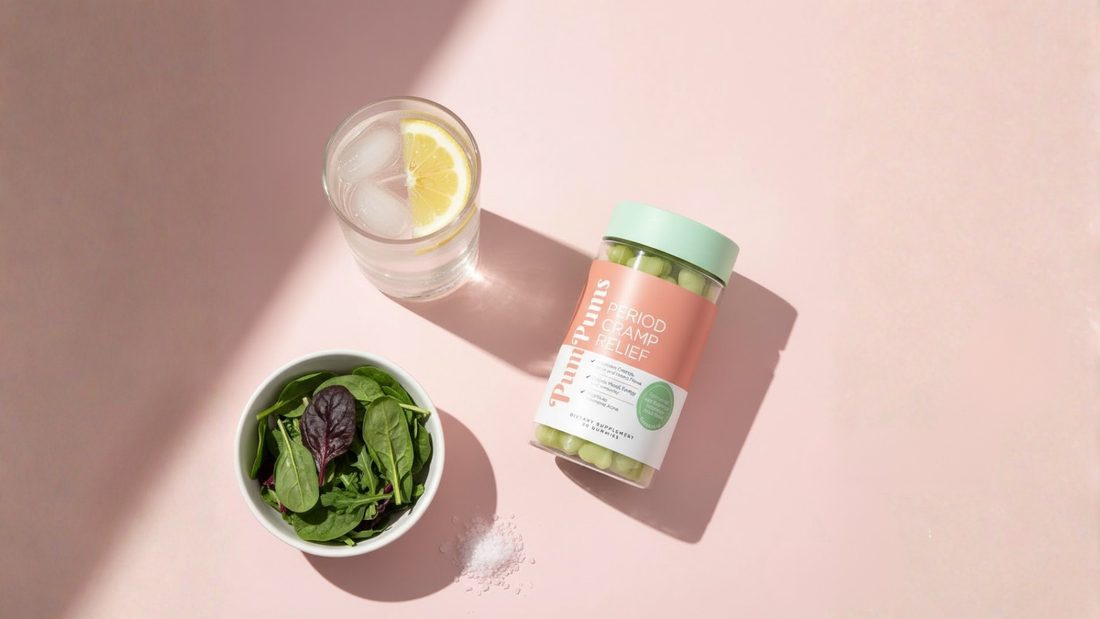
Supporting Hydration and Electrolyte Balance During Menstrual Phases
Your menstrual cycle influences more than just your hormones—it affects how your body absorbs nutrients, holds onto water, and maintains energy. Electrolytes, the minerals that help regulate hydration and muscle function, play a key role in keeping you balanced.
When electrolytes fall out of sync during your period, you might experience symptoms like bloating, fatigue, mood swings, and stronger cramps. Fortunately, learning how to balance electrolytes naturally during your cycle can help you feel more grounded, hydrated, and in control of your energy and emotions.
This guide explains how electrolytes work with your hormones, which foods naturally replenish them, and how to adjust your hydration habits throughout your cycle for better comfort and flow.

Why Balancing Electrolytes Is Essential for Period Health and Overall Wellness
Your hormones—particularly estrogen and progesterone—fluctuate throughout your menstrual cycle. These shifts influence how your body retains fluids and uses minerals. For example, during your luteal phase (the week before your period), progesterone levels rise, which increases body temperature and causes more fluid loss through sweat. Meanwhile, during menstruation, blood loss can deplete key minerals like iron, magnesium, and potassium.
When these electrolytes become imbalanced, you may notice:
- Headaches or lightheadedness from dehydration
- Muscle cramps or painful uterine contractions
- Puffy or bloated sensations
- Low energy, irritability, or brain fog
These signs are your body’s way of asking for replenishment. Balancing electrolytes isn’t only about hydration—it’s about helping your body stabilize energy, ease muscle tension, and regulate mood throughout each cycle phase.
Understanding How Electrolytes Work With Your Hormones and Hydration
Electrolytes are charged minerals that your body needs to maintain fluid balance, nerve communication, and muscle movement. The most important ones for menstrual health are sodium, potassium, magnesium, and calcium.
Each mineral has a unique function:
- Sodium manages fluid levels and supports hydration.
- Potassium helps regulate muscle contractions and blood pressure.
- Magnesium supports hormone balance, muscle relaxation, and energy production.
- Calcium assists with uterine contractions and can reduce period pain.
Hormonal changes affect how efficiently your body uses these minerals. When estrogen is high, you tend to retain more water; when progesterone increases, you may lose more fluids. Understanding these shifts helps you plan your nutrition and hydration more intuitively.

Whole Foods That Naturally Restore Electrolyte Balance During Your Period
Nature offers all the minerals your body needs—no artificial sports drinks required. Eating a colorful, mineral-rich diet can restore electrolyte balance and reduce common menstrual symptoms like fatigue or bloating.
Here are some of the best foods to include in your cycle-support routine:
- Coconut water for potassium and gentle hydration
- Leafy greens like spinach, kale, and Swiss chard for magnesium and calcium
- Bananas, oranges, and avocados for potassium and natural sweetness
- Yogurt, kefir, or fortified plant-based milks for calcium and gut support
- Sea salt or pink Himalayan salt for sodium and trace minerals
- Pumpkin seeds and almonds for magnesium and zinc
A daily smoothie made with banana, spinach, and coconut water can do more for your cramps and energy than you might expect—it’s a simple, natural electrolyte fix that works beautifully.
How to Stay Properly Hydrated Without Overloading on Water
While hydration is essential, over-drinking plain water can dilute your sodium levels and make bloating worse. The goal is balanced hydration, not excess water.
Here’s how to hydrate smarter during your cycle:
- Drink water slowly throughout the day, not in large gulps.
- Add a squeeze of lemon, cucumber slices, or a pinch of sea salt to improve absorption.
- Include water-rich fruits and veggies like watermelon, cucumber, and oranges.
- Try herbal teas like peppermint or ginger to soothe cramps and aid digestion.
Remember, hydration is a balance between fluids and minerals. When electrolytes are present, your cells can actually use the water you drink—so you stay hydrated longer and feel less sluggish.
Why Magnesium and Potassium Are Your Best Friends for Cramp and Mood Relief
If there are two electrolytes to prioritize during your period, it’s magnesium and potassium. Magnesium helps relax the uterine muscles, reducing painful cramps and lowering prostaglandin levels (the compounds that cause contractions). Potassium helps ease bloating, regulate nerve function, and support fluid balance.
Many people who experience PMS or severe cramps have low magnesium levels. That’s why adding foods like pumpkin seeds, cashews, and dark chocolate can make a real difference.
For potassium, focus on whole foods like:
- Sweet potatoes
- Bananas
- Avocados
- Coconut water
These help prevent that “heavy,” water-retained feeling and keep your muscles calm and functional. Over time, maintaining steady intake of these nutrients can noticeably reduce period discomfort and irritability.

Signs That Your Electrolytes May Be Out of Balance
Electrolyte imbalances can sneak up quietly because their symptoms mimic typical PMS signs. But your body always sends subtle messages—if you listen.
Common indicators include:
- Ongoing fatigue or sluggishness despite sleeping well
- Frequent muscle cramps or twitching
- Unusual cravings for salty or mineral-rich foods
- Feeling dizzy when standing up
- More bloating or puffiness than usual
If these symptoms appear consistently, especially around the luteal or menstrual phases, you may need to focus on mineral-rich meals and better hydration patterns.
Lifestyle Habits That Support Electrolyte and Hormonal Harmony
Balancing electrolytes isn’t just about food—it’s a whole-body practice that involves rest, movement, and stress regulation.
Some supportive lifestyle habits include:
- Gentle movement such as yoga, stretching, or walking to support blood flow.
- Getting 7–8 hours of restful sleep each night to restore sodium and potassium levels.
- Managing stress through meditation or journaling, since cortisol can deplete magnesium.
- Avoiding excessive caffeine and alcohol, which can increase mineral loss.
Supporting your electrolytes means supporting your hormones. When both are in harmony, your body naturally experiences fewer extreme symptoms before and during your period.

How to Adjust Electrolyte Support Throughout Each Phase of Your Cycle
Your electrolyte needs shift as your hormones fluctuate. Learning what your body needs during each phase helps you stay nourished and balanced all month long.
- Follicular Phase (Post-Period): Focus on hydration and light foods like fruits, leafy greens, and yogurt to rebuild calcium and potassium levels.
- Ovulation Phase: Estrogen peaks, so you may feel energetic—support that with magnesium and potassium to prevent cramps and tension.
- Luteal Phase (Before Period): Increase sodium and potassium to counteract water loss and bloating.
- Menstrual Phase: Replenish magnesium and iron through nuts, seeds, and leafy greens to restore energy and reduce cramps.
By syncing your diet to your cycle, you give your body the minerals it needs when it needs them most.
Key Takeaways for Balancing Electrolytes Naturally Throughout Your Cycle
Electrolyte balance is the foundation of a more comfortable, energized cycle. You don’t need supplements or sports drinks—just small, consistent habits that work with your body’s rhythm.
Remember to:
- Prioritize mineral-rich whole foods daily.
- Hydrate consistently with mineral-infused water or coconut water.
- Get enough rest and manage stress to preserve magnesium.
- Listen to your body’s cues instead of forcing routines that don’t feel right.
When your electrolytes are balanced, your body feels lighter, your mood steadier, and your energy more sustained across every phase.
Reflecting on How Small Nutritional Shifts Can Transform Your Cycle
Your period can be a time of renewal—not depletion. Supporting your body’s natural electrolyte balance is a gentle yet powerful act of self-care. Over time, these small shifts in hydration, nutrition, and awareness can transform how you experience your cycle.
Instead of bracing yourself for discomfort every month, you can feel more in tune, energized, and confident. Your body already knows what balance feels like—you just need to give it the right tools to stay there.


