
Compartir
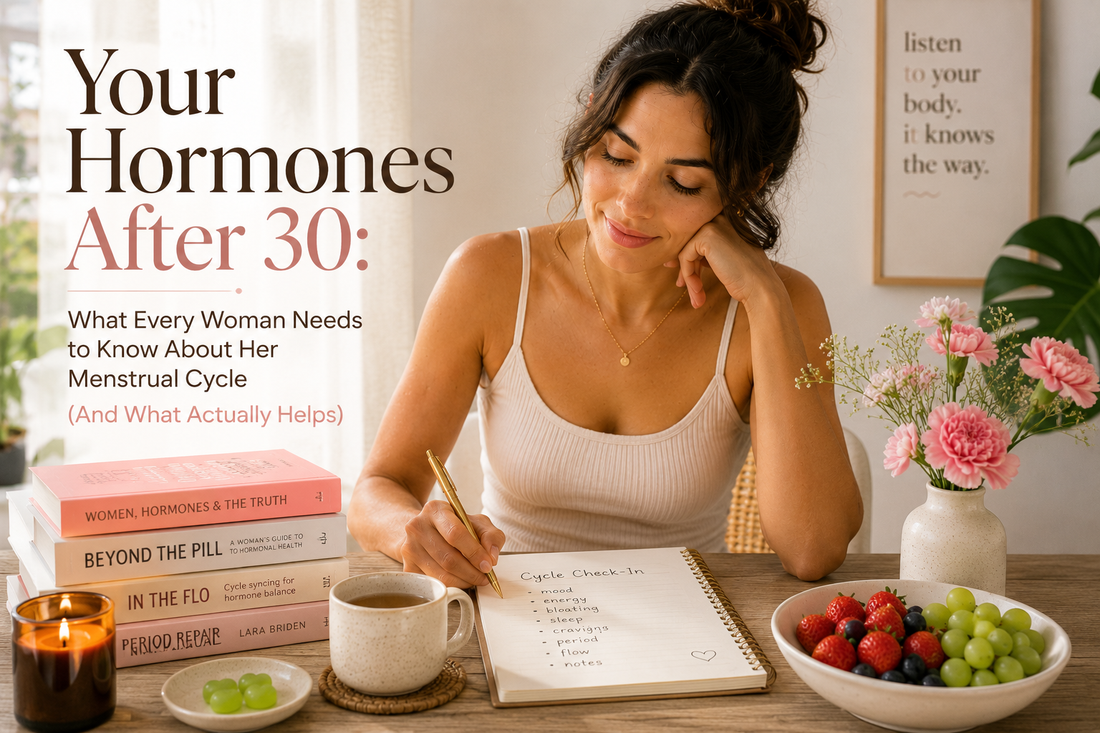
If you've ever wondered why one week you feel like you could conquer the world — and the next you can barely drag yourself out of bed, survive a work meeting without crying, or button your jeans — your menstrual cycle has a lot to answer for.
The truth is, your cycle isn't just about your period. It's a monthly hormonal symphony that affects your energy, mood, digestion, skin, sleep, cravings, and even your ability to focus. And for millions of women across the United States, managing these hormonal shifts has become a non-negotiable part of staying well, productive, and genuinely happy in their bodies.
This article breaks down what's actually happening to your hormones throughout your cycle, why symptoms like cramps, bloating, mood swings, and fatigue are so common, and how more women are building proactive, hormone-friendly wellness routines to feel better all month long — not just survive their period.
Why Your Menstrual Cycle Affects Way More Than Just Your Period
Most of us were taught that our period is a once-a-month inconvenience. What we weren't taught? That our hormones are fluctuating every single day of our cycle — and those fluctuations shape everything from how well we sleep to how patient we feel, how clear our skin is, and whether we're reaching for a salad or demolishing a bag of chips at 10 PM.
Your menstrual cycle is divided into four phases: the menstrual phase, the follicular phase, ovulation, and the luteal phase. Each phase is driven by a shifting balance of estrogen, progesterone, testosterone, LH, and FSH. When these hormones are in harmony, you feel it. When they're not — hello PMS, hormonal acne, and three days of unexplained rage.
Understanding these hormonal changes during your menstrual cycle is the first step toward managing your symptoms instead of just suffering through them.
The Real Symptoms Women Deal With Every Month
Let's name them, because they're real and they matter:
- Period cramps — uterine contractions driven by prostaglandins, which spike right before and during your period
- Bloating during your period and in the days leading up to it, caused by progesterone slowing digestion and water retention from estrogen
- Hormonal acne — especially along the jawline and chin, linked to testosterone spikes and shifts in sebum production
- Fatigue and low energy — both during your period (from blood loss) and in the luteal phase (from progesterone's sedating effect)
- Mood swings and irritability — linked to the rapid drop in estrogen and progesterone before your period
- Cravings — especially for sugar and carbs, driven by serotonin dips in the luteal phase
- Anxiety, stress sensitivity, and poor sleep — progesterone affects GABA receptors and body temperature, making restful sleep harder premenstrually
- Brain fog and low motivation — common in the days before your period when your hormones hit their lowest point
These aren't personal weaknesses or drama. They're documented physiological responses to hormonal shifts that affect more than 90% of women with periods. And they deserve to be taken seriously.
Why Periods Cause Fatigue and Mood Swings — The Science Behind It
One of the most common questions women search for online is: why periods cause fatigue and mood swings. Here's your honest answer.
- Estrogen is your energy hormone. It supports serotonin (your feel-good neurotransmitter), boosts dopamine, and helps regulate sleep. In the second half of your cycle — the luteal phase — estrogen starts to fall. Serotonin drops with it. That's why you might feel more flat, irritable, tearful, or anxious in the week or two before your period.
- Progesterone rises during the luteal phase, which can feel calming at first — but it also has a sedating quality that slows you down, affects your digestion (hello, bloating), and raises your core body temperature slightly, making deep sleep harder to reach.
Then, right before your period, both estrogen and progesterone crash. This is when PMS symptoms peak: the mood swings, the tension, the fatigue, the feeling that everything is too much.
Add blood loss during your actual period — which reduces iron and can deepen fatigue — and it's no wonder so many women feel like they're running on empty for a significant chunk of every month.
The good news? When you understand the pattern, you can support your body through it proactively instead of white-knuckling through symptoms every month.
Stress and Your Menstrual Cycle: A Complicated Relationship
Here's something that doesn't get talked about enough: stress and your menstrual cycle are deeply, directly connected.
Cortisol — your primary stress hormone — is made from the same hormonal precursors as progesterone. When your body is chronically stressed, it can "steal" those precursors to produce more cortisol, leaving less available for progesterone production. This can contribute to:
- Irregular cycles or missed periods
- Worsened PMS symptoms
- Heavier periods
- More pronounced hormonal acne
- Disrupted sleep in the luteal phase
For busy women in the US managing careers, families, and everything in between, chronic low-grade stress is almost unavoidable. Which is exactly why supporting hormone balance naturally — through daily habits, nutrition, movement, and targeted supplementation — has become such a mainstream conversation in women's wellness.
The Shift Toward Proactive Menstrual Wellness
Something meaningful is happening across the United States in women's health. More women — especially in their 30s, 40s, and beyond — are moving away from purely reactive period care ("take ibuprofen, survive, repeat") and toward proactive, daily support for their hormones and overall cycle health.
Searches for terms like what helps PMS symptoms naturally, hormone balance support, and daily supplements for menstrual wellness have surged, and women are investing in:
- Cycle-aware nutrition — eating to support each phase of the cycle
- Stress management practices — not as a luxury, but as genuine hormone support
- Sleep hygiene — especially in the luteal phase when it's hardest to get quality rest
- Natural period relief through targeted supplements rather than relying solely on OTC painkillers
- Consistent, daily cycle support year-round, not just during the worst symptom days
This isn't a trend. It's a recognition that hormonal health is whole-body health — and women deserve support beyond "it's just PMS."
Building a Hormone-Friendly Wellness Routine
Supporting your hormones doesn't have to be complicated. Here's a simple, sustainable framework for a hormone-friendly wellness routine that works with your cycle:
Daily Foundations
- Quality sleep: Aim for 7–9 hours. In your luteal phase, add a cooling layer or fan to counteract progesterone's warming effect
- Blood sugar stability: Regular meals with protein and healthy fat reduce cortisol spikes and help steady mood and cravings
- Hydration: Especially important during your period to replace fluid loss and ease bloating
Movement
- Follicular and ovulatory phases: Energy tends to be higher — great for cardio, strength training, and challenging workouts
- Luteal and menstrual phases: Gentle movement like walks, yoga, or stretching supports circulation and eases cramps without depleting an already-tired system
Stress Support
- Even 10 minutes of intentional calm daily — breathing exercises, a short walk outside, limiting news consumption — has measurable effects on cortisol levels over time
Daily Supplementation
Incorporating a trusted women's hormone health supplement as part of your morning routine creates a consistent foundation. PumPums Daily Cycle Essentials is designed to fit seamlessly into that kind of daily rhythm — simple, consistent, and formulated specifically for period support for women navigating real life.
You Deserve Support Every Day of Your Cycle — Not Just Survival Mode
Your period is one week of your month. Your hormones are active every single day. The way you feel — your energy, your mood, your skin, your sleep, your ability to focus and connect and show up fully — is shaped by your hormonal health around the clock, not just when you're bleeding.
The women who feel their best don't just endure their cycles. They support them. They've built daily habits and routines that work with their hormones instead of fighting them at every turn. And a growing number of those women are reaching for quality, thoughtfully formulated period care essentials as part of that foundation.


