
Compartir
Essential Strategies for Beating the Cold and Managing Winter Period Pain
As temperatures drop across the Northern Hemisphere, our daily routines undergo a significant transformation. We swap lightweight linens for heavy wool and transition from outdoor activities to cozy indoor retreats. However, a truly comprehensive winter essentials list must go beyond the standard recommendation of heavy coats and snow boots to address the physical toll that freezing temperatures take on the body.
To successfully navigate the coldest months, one must consider holistic well-being by addressing everything from skin hydration to hormonal health. One of the most frequently overlooked aspects of seasonal preparation is menstrual care. When extreme cold amplifies physical discomfort, having the right tools for period cramp relief becomes just as vital as a pair of thermal socks.
This guide explores the definitive items you need to stay warm, healthy, and resilient this season.
1. High-Performance Winter Clothing and Layering Systems for Sub-Zero Weather
The foundation of any winter survival kit involves a high-quality layering system designed to trap heat while allowing moisture to escape. This prevents the dangerous "chill" that occurs when damp fabric sits against the skin in freezing winds.
Thermal Base Layers and Moisture-Wicking Fabrics
The most important part of winter clothing is the base layer. You should prioritize materials like Merino wool or synthetic blends specifically engineered for thermal regulation. Unlike cotton which absorbs moisture and stays cold, Merino wool breathes naturally and retains warmth even if it gets slightly damp from physical exertion.
Insulated Outerwear and Waterproof Footwear
Your primary winter coat should be both windproof and water-resistant to withstand snow and sleet. Research regarding winter weather safety protocols suggests that proper insulation is key to preventing hypothermia in extreme conditions. Pair your coat with waterproof boots featuring thick rubber soles to provide traction on icy sidewalks and insulation from the frozen pavement.
2. Managing the Menstrual Cycle During Winter Months
When we discuss winter wellness, the conversation usually focuses on Vitamin C and flu shots. However, many people find that the menstrual cycle feels significantly more taxing during the winter. Scientific observations indicate that cold weather can lead to a decrease in sunshine and activity levels, which often exacerbates PMS symptoms and emotional fluctuations.
Why You Should Add Period Cramp Relief Gummies to Your Winter Routine
Cold weather causes blood vessels to constrict in a process known as vasoconstriction, which can actually intensify the severity of uterine contractions. This biological response explains why many people find their cramps are more painful in January than in July.
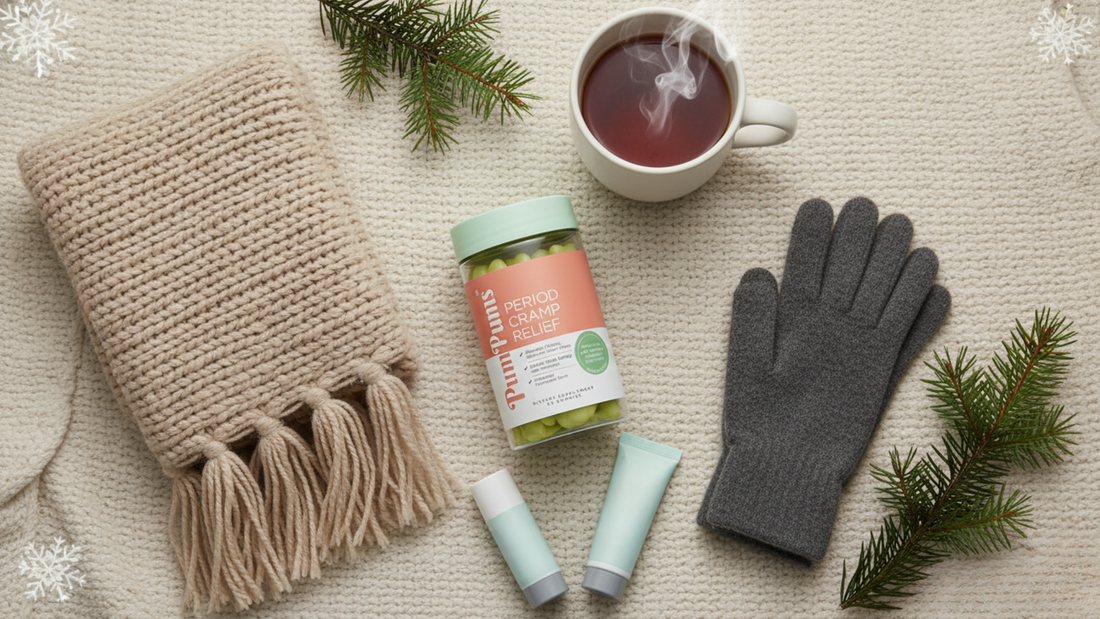
One of the most innovative additions to a modern winter essentials list is Pumpums Menstrual Relief Gummies. Unlike traditional pills, these gummies offer a convenient and tasty way to manage discomfort throughout the day. By incorporating targeted ingredients designed to soothe the body, they provide a much-needed layer of support when you are already dealing with the seasonal chill. Adding a dedicated period cramp relief gummy to your nightstand ensures that you are never caught off guard when your cycle coincides with a winter storm.
Building a Comprehensive Kit of Period Essentials
Beyond supplements, your winter period essentials should include several items to combat the cold-induced tension.
- A high-quality heating pad helps relax the uterine muscles and reduces the muscle constriction that causes pain.
- Fleece-lined leggings keep your core and pelvic area warm to prevent the cold-induced muscle tension that worsens pain.
- Hydrating herbal teas like raspberry leaf or ginger are excellent for supporting menstrual comfort and cycle health while keeping you hydrated in dry air.
3. Winter Skincare Strategies for Protecting the Skin Barrier
Winter air lacks humidity and indoor heating systems strip even more moisture from the environment. This combination leads to the dreaded winter itch and painfully cracked skin.
Moisture-Locking Topicals and Ceramides
To protect your skin barrier, you should look for products containing ceramides and hyaluronic acid. Clinical advice on effective winter skincare routines recommends applying moisturizer immediately after showering to trap existing water in the skin. A thick ointment or cream is generally much more effective than a thin lotion during the peak of winter.
Vitamin D and Seasonal Affective Disorder Support
With shorter days and less sun exposure, Vitamin D deficiency becomes a major concern for those in northern latitudes. Vitamin D is crucial for bone health and immune function during cold and flu season. Furthermore, for those who suffer from Seasonal Affective Disorder (SAD), a 10,000-lux light box can help regulate your circadian rhythm and improve your mood throughout the long winter months.
Home and Travel Preparedness for Snow and Ice
A winter essentials list is not complete without addressing your immediate environment. Being winter-ready means ensuring your home remains a sanctuary and your vehicle stays a safe zone during travel.
Essential Home Upgrades for Energy Efficiency
- Humidifiers add moisture back into the air to help prevent dry nasal passages and keep skin supple.
- Heavy curtains or thermal drapes can prevent up to 25% of heat loss through windows and lower your monthly energy bill.
The Vehicle Emergency Kit for Winter Travel
If you live in a region prone to heavy snow, your car should always be equipped with a survival kit. Guidance on winter emergency preparedness and car kits suggest this should include a collapsible shovel, an ice scraper, sand for tire traction, and extra blankets. It is also wise to keep a small stash of sanitary products and snacks in your glove box just in case you are stranded
5. Nutritional Support to Fuel Your Internal Furnace
In winter, our bodies require more energy to maintain a stable internal temperature. This is the time to focus on nutrient-dense, warming foods that support your metabolism and your hormonal balance.
Root Vegetables and Complex Carbohydrates
Sweet potatoes, carrots, and parsnips are in season and provide the complex carbohydrates needed for sustained energy levels. They are also rich in Vitamin A which supports the immune system during the height of winter.
Magnesium-Rich Foods for Muscle Relaxation
Since many people experience heightened discomfort in the winter, increasing magnesium intake is vital. Spinach, dark chocolate, and pumpkin seeds can help relax muscles and reduce the intensity of pain. Research on how magnesium affects the menstrual cycle shows that it may effectively reduce the production of prostaglandins, which are the chemicals that cause uterine muscles to contract.
A Holistic Approach to Winter Comfort
Winter is a season of slowing down and turning inward. By expanding your winter essentials list to include often-overlooked items like period cramp relief gummies, specialized skincare, and proper base layers, you do more than just survive the cold—you thrive in it.
Don't let the drop in temperature catch you unprepared. Whether it is ensuring you have the best supplies on hand for your monthly cycle or winterizing your home to stay energy-efficient, a little preparation goes a long way.


