
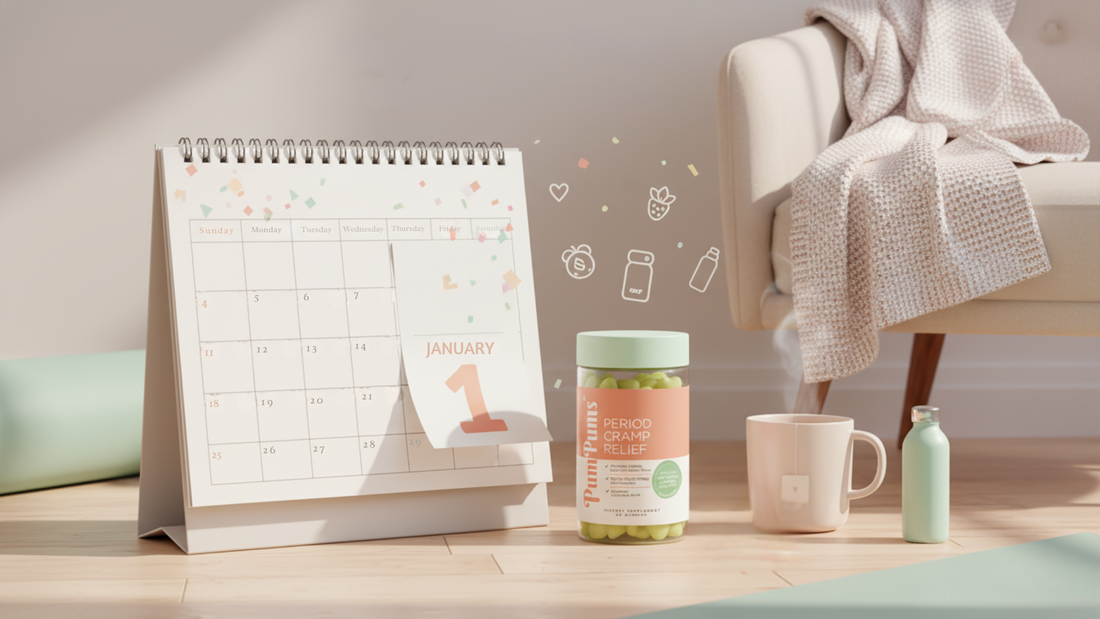
As we step into 2026, the tradition of setting New Year’s resolutions often centers on gym memberships or career milestones. However, for those who navigate a monthly cycle, there is a burgeoning movement toward menstrual wellness. Your period isn't just a monthly inconvenience; it is a vital sign—a biological report card that reflects your overall hormonal health and systemic well-being.
According to the 2025 State of the Period Study, nearly 19% of women experienced severe period pain in the last year, and 40% reported heavy menstrual bleeding that interfered with their daily lives. If you are ready to stop "just dealing with it" and start thriving, here are the top period resolutions to transform your cycle this year.
1. Treat Your Cycle as a Vital Sign
The first step to a healthier period is understanding your unique rhythm. In 2026, menstrual health experts are increasingly advocating for the inclusion of cycle data in official health records.
Why Tracking Matters
The average menstrual cycle is roughly 28.7 days, but "normal" can range from 21 to 35 days depending on your age and lifestyle. Tracking does more than just predict when to carry a tampon; it helps you identify:
- The Follicular Phase: When estrogen rises, often bringing higher energy and better mood.
- The Luteal Phase: The "PMS window" where progesterone peaks and dips, potentially causing cravings or fatigue.
- Anomalies: Significant changes in cycle length or flow can be early indicators of conditions like PCOS, thyroid issues, or fibroids.
2. Master "Cycle Syncing" Nutrition
What you eat in the weeks leading up to your period directly impacts the severity of your symptoms. Research indicates that diets rich in Omega-3 fatty acids, Magnesium, and Vitamin D can significantly reduce the production of prostaglandins—the chemicals responsible for painful uterine contractions.
Nutritional Upgrades for Each Phase
- Menstrual Phase: Focus on iron-rich foods (leafy greens, lean meats) to replace blood loss.
- Follicular/Ovulatory Phase: Prioritize fiber-rich vegetables to help the liver metabolize and clear out excess estrogen.
- Luteal Phase: Increase complex carbohydrates and magnesium-rich seeds to stabilize mood and reduce bloating.
Pro-Tip: Reducing salt and caffeine during your luteal phase can drastically minimize breast tenderness and irritability.
3. Upgrade Your Cramp Relief Strategy
For decades, the standard response to period pain was "take an ibuprofen and push through." In 2026, we are seeing a shift toward holistic, science-backed supplementation that addresses the root cause of discomfort rather than just masking the pain.
If you struggle with debilitating cramps, it’s time to look beyond the medicine cabinet. Many are turning to herbal blends that include Vitamin B6, Chasteberry, and Magnesium to balance hormones naturally. For a convenient and delicious way to manage your symptoms, you can try the PumPums Period Cramp Relief Gummy, which is designed to support total cycle comfort.
4. Prioritize "Slow Flow" Exercise
A common mistake is trying to maintain a high-intensity workout schedule throughout all four phases of your cycle. During the days leading up to and during your period, your body’s basal temperature and metabolic rate change.
Instead of a grueling HIIT session when you’re feeling fatigued, resolve to switch to "Slow Flow" activities:
- Yin Yoga: Helps stretch the pelvic floor and lower back.
- Walking: Boosts endorphins (natural painkillers) without spiking cortisol.
- Swimming: The weightlessness can provide relief from pelvic pressure and bloating.
Studies show that regular, moderate exercise can decrease the duration of menstrual cramps by improving blood circulation to the pelvic region.
6. Adopt Sustainable and Healthy Hygiene
Your choice of period products impacts both your body and the environment. Data from the WHO highlights that 2026 is a pivotal year for "menstrual equity" and safety.
- Breathable Fabrics: Switch to organic cotton products or period underwear. Synthetic materials can trap heat and moisture, leading to a higher risk of yeast infections or bacterial vaginosis (BV).
- pH Awareness: Avoid scented "feminine hygiene" sprays or douches.The vagina is a self-cleaning organ; disruption of the natural pH can exacerbate odors and irritation during your flow.
- Regular Intervals: Even with high-absorbency products, changing your protection every 4–8 hours is essential to prevent the buildup of bacteria.
The 2026 Menstrual Health Checklist

|
Resolution
|
Action Step
|
Expected Benefit
|
|
Track
|
Use an app to log symptoms daily.
|
Detect hormonal imbalances early.
|
|
Nourish
|
Add Omega-3s and Magnesium to your diet.
|
Reduced inflammation and cramping.
|
|
Supplement
|
Try targeted relief like PumPums Gummies.
|
Balanced mood and eased contractions.
|
|
Move
|
Match exercise intensity to your cycle phase.
|
Lowered stress and less fatigue.
|
|
Hygiene
|
Switch to unscented, organic products.
|
Better vaginal health and less irritation.
|
Embracing a Sustainable Cycle
Improving your menstrual health is not about achieving a "perfect" period; it’s about building a better relationship with your body. By setting these simple resolutions—from tracking your data to incorporating the PumPums Period Cramp Relief Gummy into your routine—you are taking a proactive step toward a year of less pain and more power.
This year, let’s stop dreading the "time of the month" and start honoring the cycle that makes our health possible.


